Methylome profiling for melanoma detection

Skin Cancer & Regenerative Dermatology

Preventing skin cancer and healing scars.

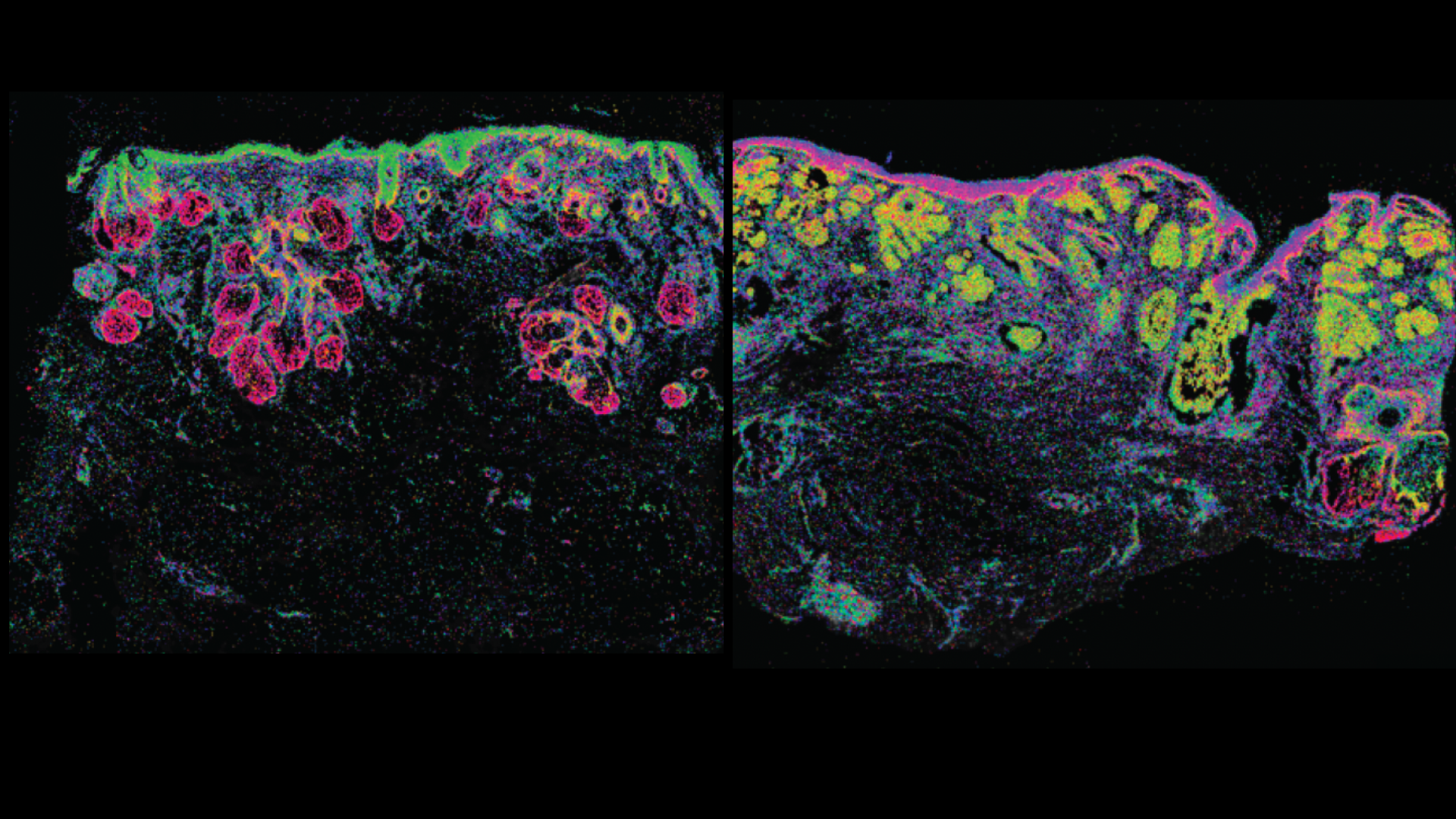
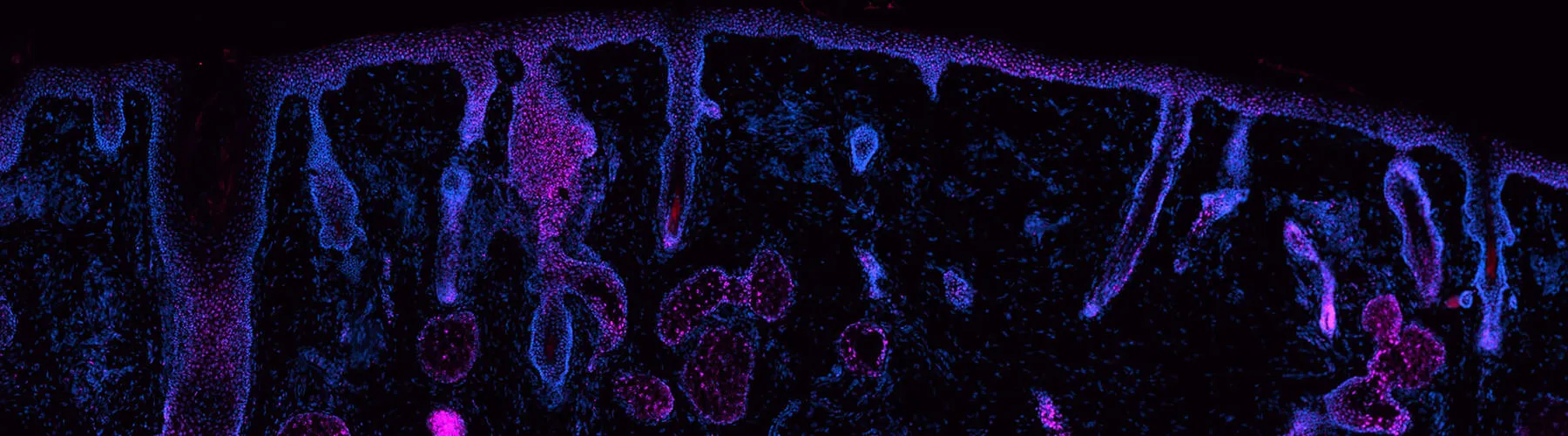
Spatial transcriptomics of Basal Cell Carcinoma

Understanding Skin Cancer

Mapping the tumour microenvironment to stop cancer before it starts.

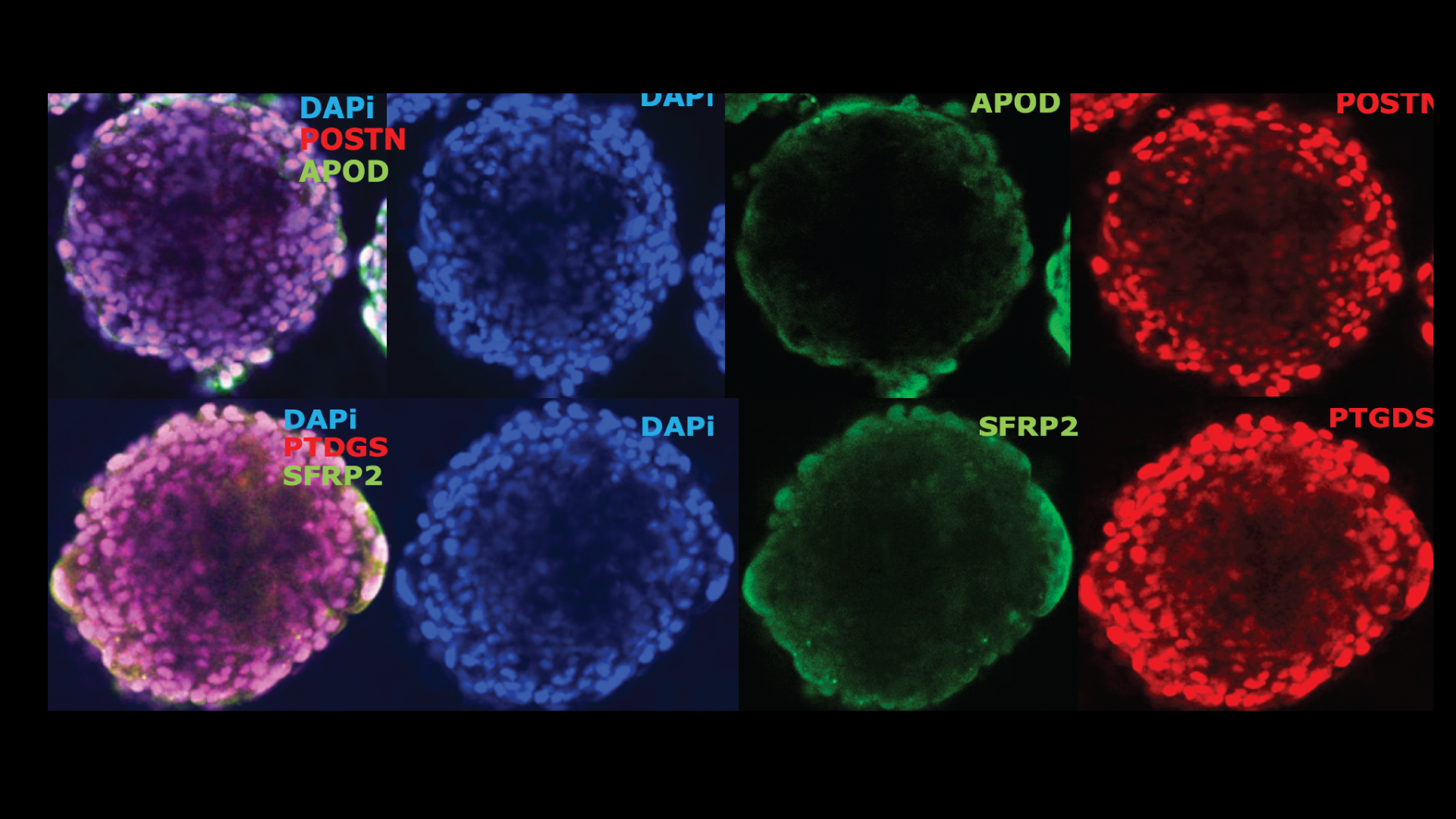
3D Fibroblast Spheroid Model for regenerative studies

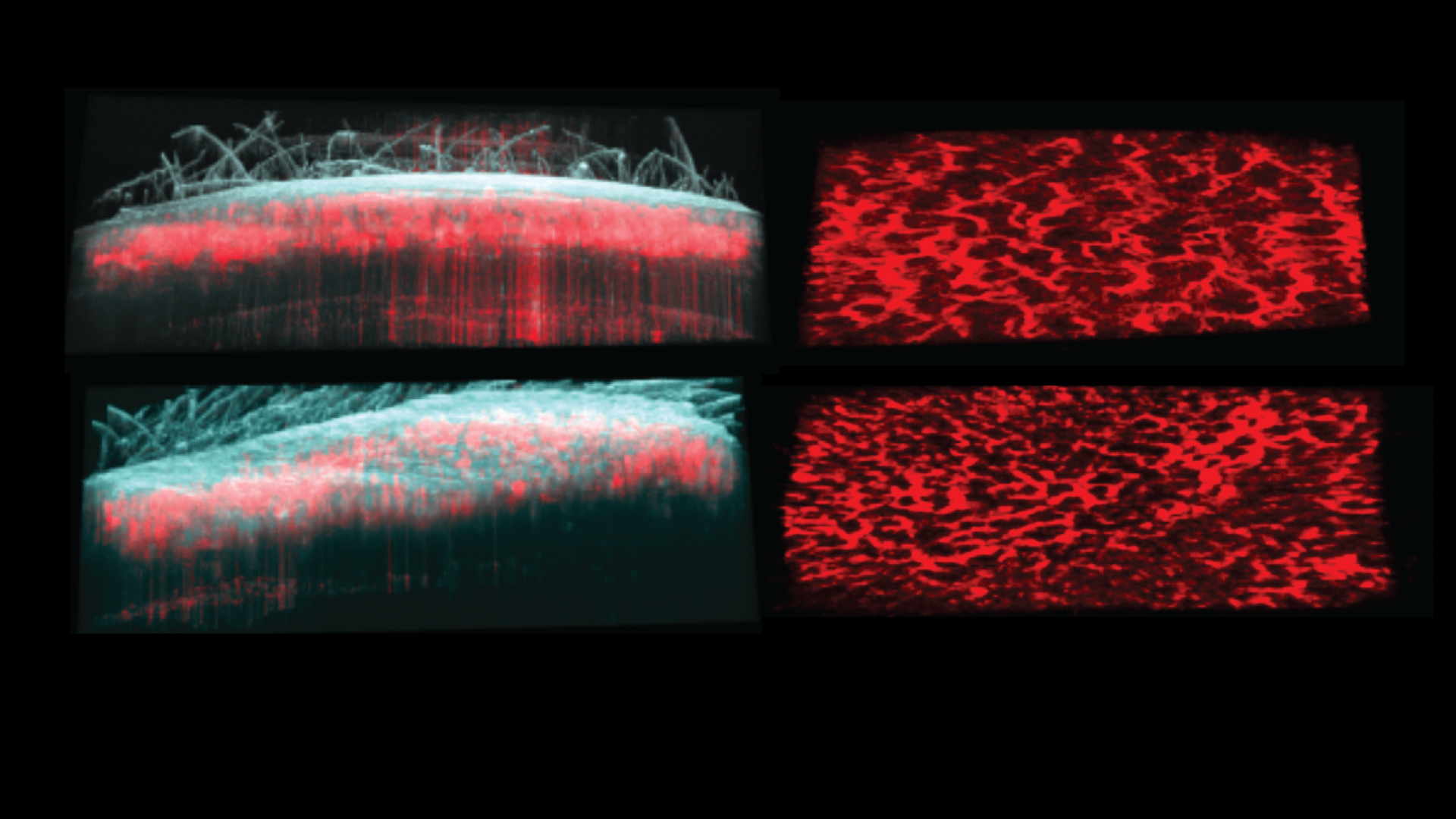
Non-invasive Skin Cancer Detection

Combining AI and advanced imaging to detect skin cancer without a biopsy.

AI analysis of Optical Coherence Tomography scans

Minimizing scars

Harnessing fibroblast subpopulations to improve scarring and restore skin function.

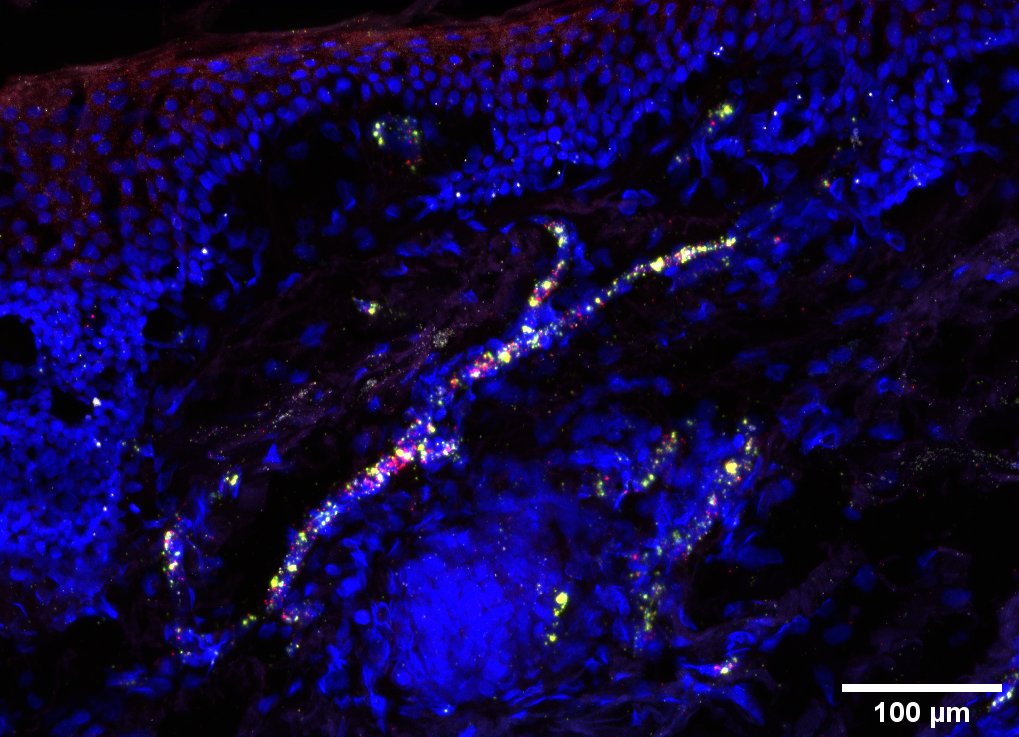
Senescence mapping in human skin

Preventing Skin Cancer

Using 3-dimensional cell culture models to test new treatments that prevent skin cancer.

About the Lab

The Lynch Lab is based in St John's Institute of Dermatology at King's College London (KCL) within the Guy's Campus. We are motivated by key challenges in Dermatological Surgery: Preventing skin cancer and minimizing scarring. We focus on the interactions between two of the most important cell types in the skin - fibroblasts and keratinocytes. To understand these interactions we integrate single-cell genomics, spatial transcriptomics, non-invasive skin imaging, AI and 3-dimensional organotypic cell culture models.

1. Skin Cancer Prevention & Early Detection

Skin cancer is the most common cancer in Humans and many patients face a lifelong cycle of developing new tumours. Our research addresses:

  • How fibroblast–keratinocyte interactions drive malignant transformation.
  • How to develop therapies that reduce the risk of skin cancer.
  • How to diagnose skin cancers earlier and non-invasively, avoiding unnecessary biopsies.

2. Regenerative Dermatology & Scarring

Scars can result from trauma, surgery or inflammatory processes such as acne. Our regenerative research aims to understand how skin heals—and how to make it heal better. We investigate:

  • The roles of distinct fibroblast subpopulations in wound healing and scarring.
  • How to develop cell-based and molecular therapies that improve scar quality.
  • How to prevent the excessive growth of fibroblasts that occurs in keloid and hypertrophic scars.

Our Research Approach

Our ethos is translational: Clinical problem → Mechanistic insights → Therapeutic strategies → IP development → Clinical trial / Industry partnership

Pillar 1 — Skin Cancer

Key Questions

  • Why do some mutant keratinocyte clones become dangerous?
  • What fibroblast subtypes promote tumour progression?
  • How can we reprogramme the tumour microenvironment to reduce cancer risk?
  • How can we diagnose skin cancers early without cutting the skin?
Pillar 2 — Regenerative Dermatology

Key Questions

  • What makes some wounds scar more severely than others?
  • How do fibroblast subpopulations contribute to fibrosis?
  • Why do some scars become hypertrophic or keloid scars?
  • Can we develop cell-based or molecular strategies to reduce scarring?

Current Interests

Identifying targets for prevention of keratinocyte carcinomas

Using 3D culture models and single cell and spatial datasets to identify druggable pathways that reduce the incidence of basal cell carcinoma and squamous cell carcinoma.

AI + Optical Coherence Tomography

Combining OCT imaging with machine learning to distinguish BCC and cSCC from benign lesions (Bo Wan).

Fibroblast-Based Therapies (Fibrodyne)

Building on the discovery of human fibroblast subpopulations to support the development of cell-based regenerative therapies for scars.

Laser approaches to skin cancer prevention

Can we use fractional lasers and vascular lasers to reduced the incidence of basal cell carcinoma and squamous cell carcinoma?.

Commercial Partnerships & Translation

We are committed to translating our research from the bench to the bedside through strategic commercial collaborations and spin-out companies.

Fibrodyne

Dr. Lynch is a co-inventor on two patents covering the sorting and therapeutic use of human dermal fibroblast subpopulations. These patents form the core IP for Fibrodyne, a King’s College London spin-out co-founded with Professor Fiona Watt.

Fibrodyne secured £2M in seed investment to develop novel cell-based therapies, representing a direct translation of the lab's Regenerative Dermatology research.

Mitra Bio

The Lynch Lab has previously collaborated with Mitra Bio on a clinical trial aimed at diagnosing skin cancer through a non-invasive, molecular approach. This partnership demonstrates our ability to lead and sucessfully execute trials in collaboration with industry partners.

Our Team

Dr Magnus Lynch
Principal Investigator

Dr Magnus Lynch MA DPhil MRCS FRCP

Consultant Dermatologist & Dermatological Surgeon, St John’s Institute of Dermatology

Dr Lynch is a fellowship-trained Mohs surgeon and clinician-scientist whose work spans skin cancer prevention, non-invasive diagnostics, fibroblast biology, and regenerative dermatology.

Current Lab Members

Jeyrroy Gabriel
PhD Student

Jeyrroy Gabriel

Project: Jeyrroy uses fibroblast–keratinocyte spheroid co-cultures and spatial transcriptomics to identify pathways that drive tumour-associated phenotypes in BCC and cSCC, aiming to develop risk-reducing therapies.

Luis Escalante
Visiting Researcher

Luis Escalante

Luis is interested in understanding pathways that prevent the development of cutaneous squamous cell carcinoma (cSCC) and is currently applying for funding to pursue a research fellowship.

Previous Lab Members

Clarisse Ganier

Clarisse Ganier

Postdoctoral Researcher

Dr Bo Wan

Dr Bo Wan

PhD Student (Completed 2024)

Nasrat Haran

Nasrat Harun

Research Assistant

Featured Publications

Below are selected highlights from the lab's work. A full list of publications is available below.

Ganier C, Mazin P, Herrera-Oropeza G, Du-Harpur X, Blakeley M, Gabriel J, Predeus AV, Cakir B, Prete M, Harun N, Darrigrand JF, Haiser A, Wyles S, Shaw T, Teichmann SA, Haniffa M, Watt FM, Lynch MD.
Multiscale spatial mapping of cell populations across anatomical sites in healthy human skin and basal cell carcinoma.
PNAS, 2024. Pubmed ID: 38165934

This senior-author paper from the Lynch Lab provides unprecedented insight into the cellular architecture of healthy skin and the basal cell carcinoma (BCC) microenvironment. The work creates a multiscale spatial atlas that directly informs the lab's novel cancer prevention strategies.

Reynolds G, Vegh P, Fletcher J,... Lynch MD,...Teichmann S, Watt F, Haniffa M.
Developmental cell programs are co-opted in inflammatory skin disease.
Science, 2021. Pubmed ID: 33479125

As part of the Human Cell Atlas collaboration, this paper describes the diverse cell types present in healthy skin, eczema, and psoriasis. This foundational atlas serves as a springboard for the Lynch Lab's current work examining different anatomical sites, apatial transcriptomics, and skin cancer.

Du-Harpur X, Arthurs C, Ganier C, Woolf RT, Laftah Z, Lakhan, MK, Salam A, Wan B, Watt FM, Luscombe NM, Lynch MD.
Clinically-relevant vulnerabilities of deep machine learning systems for skin cancer diagnosis.
Journal of Investigative Dermatology, 2020. Pubmed ID: 32931808

Led by the Lynch Lab, this project was the first to show that simple variations in image color balance and rotation can dramatically affect the accuracy of deep learning models for skin cancer diagnosis, highlighting clinically-relevant vulnerabilities in AI-based diagnostic systems.

Philippeos C, Telerman S, Oulès B, Pisco A, Shaw T, Elgueta R, Lombardi G, Driskell R, Soldin M, Lynch MD and Watt FM (joint senior author).
Spatial and single-cell transcriptional profiling identifies functionally distinct human dermal fibroblast subpopulations.
Journal of Investigative Dermatology, 2018. Pubmed ID: 29391249

In this joint senior-author paper, the lab contributed key single-cell sequencing and apatial transcriptomic experiments. The study successfully identified multiple, functionally distinct fibroblast subpopulations in human skin, creating a new and detailed census of fibroblast heterogeneity.

Lynch MD, Lynch CNS, Craythorne E, Liakath-Ali K, Mallipeddi R, Barker JN and Watt FM.
Spatial constraints govern competition of mutant clones in human epidermis.
Nature Communications, 2017. Pubmed ID: 29066762

In this foundational first-author paper, Dr. Lynch demonstrated that sun-exposed, non-cancerous skin contains a high burden of expanded mutant clones. The work revealed that apatial constraints are a major factor governing the competition and selection of these clones within the human epidermis.
View Full Publication List
  1. Yu GT,...Lynch MD...,Wyles S. SenSkinTM: A Human Skin-Specific Cellular Senescence Gene Set. Geroscience, 2025. Pubmed ID: 39998731
  2. Lynch MD. Beyond the algorithm: Ethical Challenges in AI-Driven Skin Cancer Diagnosis. British Journal of Dermatology, 2024. Pubmed ID: 39680502
  3. Lynch MD, Wyles S. Regenerative Medicine: On the Vanguard of Dermatology. Dermatologic Surgery, 2024. Pubmed ID: 39480033
  4. Wyles S, Lynch MD. Introduction to special issue on Regenerative Medicine. Dermatologic Surgery, 2024. Pubmed ID: 39480032
  5. Yu GT, Ganier C, , Allison DB, Tchkonia T, Khosla S, Kirkland JL, Lynch MD, Wyles S. Mapping epidermal and dermal cellular senescence in human skin aging. Aging Cell, 2024. Pubmed ID: 39370688
  6. Ziebart R, Antezana L, Crum O, Lynch MD, Wyles S. Laser and Energy Treatments for Acne Scarring: A Review. Journal of Drugs and Dermatology, 2024. Pubmed ID: 39630683
  7. Sood A, Mansoor N, Memmi C, Lynch MD, Lynch JO. Generative Pretrained Transformer-4, an artificial intelligence text predictive model, has a high capability for passing novel written radiology exam questions. International Journal of Computer Assisted Radiology and Surgery, 2024. Pubmed ID: 38381363
  8. Ganier C, Mazin P, Herrera-Oropeza G, Du-Harpur X, Blakeley M, Gabriel J, Predeus AV, Cakir B, Prete M, Harun N, Darrigrand JF, Haiser A, Wyles S, Shaw T, Teichmann SA, Haniffa M, Watt FM, Lynch MD. Multiscale spatial mapping of cell populations across anatomical sites in healthy human skin and basal cell carcinoma. Proc Natl Acad Sci, 2024. Pubmed ID: 38165934
  9. Hughes S, Srenathan H, Lynch MD (Joint senior author), Leeman H. Multi-center experience from tertiary skin cancer units on the role of Sentinel Lymph Node Biopsy in patients with pT1b melanoma. Clin Exp Dermatol, 2023. Pubmed ID: 38112606
  10. Shetty M, Ettlinger M, Lynch MD. GPT-4, an artificial intelligence large language model, exhibits high levels of accuracy on dermatology specialty certificate exam questions. medrxiv, 2023. Preprint
  11. Banila C, Green D, Katsanos D, Viana J, Osmaston A, Vasquez AM, Lynch MD, Kaveh S. A non-invasive method for whole-genome skin methylome profiling. British Journal of Dermatology, 2023. Pubmed ID: 37658851
  12. Mahil S, Choy SP, Kim BJ, Paolino A, Tan WR, Lim S, Seo J, Tan SP, Francis L, Tsakok T, Simpson M, Barker J, Lynch MD, Corbett M, and Smith C. Systematic review of deep learning image analyses for the diagnosis and monitoring of skin disease. npj Digital Medicine, 2023. Pubmed ID: 37758829
  13. Ganier C, Rognoni E, Goss G, Lynch MD, Watt FM. Fibroblast heterogeneity in healthy and wounded skin. Cold Spring Harbour Perspectives in Biology, 2022. Pubmed ID: 35667795
  14. Kravvas G, Asif M, Watchorn R, Castiglione F, Haider A, Freeman A, Hadway P, Hussain Alnajjar, Lynch MD, Bunker C. Male genital lichen sclerosus, micro incontinence and occlusion: mapping the disease across the prepuce. Clinical and Experimental Dermatology, 2023. Pubmed ID: 35150005
  15. Cunningham L, Ganier C, Ferguson F, White IR, Watt FM, McFadden J, Lynch MD. Gradient boosting approaches can outperform logistic regression for risk prediction in cutaneous allergy. Contact Dermatitis, 2021. Pubmed ID: 34812539
  16. Ganier C, Harun N, Peplow I, Du-Harper X, Arthurs C, Watt FM, Lynch MD. ACE2 expression is detectable in keratinocytes, cutaneous appendages and blood vessels by multiplex RNA in situ hybridization. Adv Skin Wound Care, 2021. Pubmed ID: 35085122
  17. Lakhan M, Lynch MD. Skin Pigmentation. Medicine, 2021. DOI: 10.1016/j.mpmed.2021.05.006
  18. Reynolds G, Vegh P, Fletcher J,… Lynch MD,…Teichmann S, Watt F, Haniffa M. Developmental cell programs are co-opted in inflammatory skin disease. Science, 2021. Pubmed ID: 33479125
  19. Wan B, Ganier C, Du-Harpur X, Harun N, Watt F, Patalay R, Lynch MD. Applications and future directions for Optical Coherence Tomography in Dermatology. British Journal of Dermatology, 2021. Pubmed ID: 32974943
  20. Du-Harpur X, Arthurs C, Ganier C, Woolf RT, Laftah Z, Lakhan MK, Salam A, Wan B, Watt FM, Luscombe NM, Lynch MD. Clinically-relevant vulnerabilities of deep machine learning systems for skin cancer diagnosis. Journal of Investigative Dermatology, 2020. Pubmed ID: 32931808
  21. Du-Harpur X, Luscombe N, Watt FM, Lynch MD. What is AI? Applications of artificial intelligence to dermatology. British Journal of Dermatology, 2020. Pubmed ID: 31960407
  22. Teo Y, McFadden J, White I, Lynch MD, and Banerjee P. Allergic Contact Dermatitis in Atopic Individuals: Results of a 30-year Retrospective Study. Contact Dermatitis, 2020. Pubmed ID: 31347185
  23. van de Lagemaat LN, Flenley M, Lynch MD, Garrick D, Tomlinson SR, Kranc KR, Vernimmen D. CpG binding protein (CFP1) occupies open chromatin regions of active genes, including enhancers and non-CpG islands. Epigenetics Chromatin, 2018. Pubmed ID: 30292235
  24. Philippeos C, Telerman S, Oulès B, Pisco A, Shaw T, Elgueta R, Lombardi G, Driskell R, Soldin M, Lynch MD and Watt F (joint senior author). Spatial and single-cell transcriptional profiling identifies functionally distinct human dermal fibroblast subpopulations. Journal of Investigative Dermatology, 2018. Pubmed ID: 29391249
  25. Lynch MD, Watt FM. Fibroblast heterogeneity: Implications for human disease. Journal of Clinical Investigation, 2018. Pubmed ID: 29293096
  26. Lynch MD, Lynch CNS, Craythorne E, Liakath-Ali K, Mallipeddi R, Barker JN and Watt FM. Spatial constraints govern competition of mutant clones in human epidermis. Nature Communications, 2017. Pubmed ID: 29066762
  27. Lynch MD, McFadden JP, White JM, Banerjee P, White IR. Age-specific profiling of cutaneous allergy at high temporal resolution suggests age-related alterations in regulatory immune function. Journal of Allergy and Clinical Immunology, 2017. Pubmed ID: 28606588
  28. Lynch MD, White JM, McFadden JP, Wang Y, White IR, Banerjee P. A dynamic landscape of allergen associations in delayed-type cutaneous hypersensitivity. British Journal of Dermatology, 2017. Pubmed ID: 27285898
  29. Jeziorska DM, Murray RJS, De Gobbi M, Gaentzsch R, Garrick D, Ayyub H, Chen T, Li E, Telenius J, Lynch MD, Graham B, Smith AJH, Lund JN, Hughes JR, Higgs DR, Tufarelli C. DNA methylation of intragenic CpG islands depends on their transcriptional activity during differentiation and disease. Proc Natl Acad Sci, 2017. Pubmed ID: 28827334
  30. Alwan W, Lynch MD, McFadden J, White IR, Banerjee P. Patch testing in psoriasis patients: results of a 30-year retrospective cohort study. British Journal of Dermatology, 2017. Pubmed ID: 28617935
  31. Lynch MD, Ali F, Mallipeddi R. A pedunculated nasal nodule. British Medical Journal, 2017. Pubmed ID: 28254755
  32. Lynch MD, Bashir S. Applications of Platelet-Rich-Plasma in Dermatology: A Critical Appraisal of the Literature. J Dermatol Treatment, 2016. Pubmed ID: 26466811
  33. Lynch MD, Sears A, Cookson H, Lew T, Laftah Z, Orrin L, Zuckerman M, Creamer D, Higgins E. Disseminated Coxsackievirus A6 affecting children with atopic dermatitis. Clin Exp Dermatol, 2014. Pubmed ID: 25677678
  34. Lynch MD, Cliffe J, Morris-Jones R. Authors' reply to Cockayne and colleagues. BMJ, 2014.
  35. Lynch MD, Cliffe J, Morris-Jones R. Management of cutaneous viral warts. BMJ, 2014. Pubmed ID: 24865780
  36. Hughes JR, Roberts N, McGowan S, Hay D, Giannoulatou E, Lynch MD, De Gobbi M, Taylor S, Gibbons R, Higgs DR. Analysis of hundreds of cis-regulatory landscapes at high resolution in a single, high-throughput experiment. Nat Genet, 2014. Pubmed ID: 24413732
  37. Lynch MD, Smith AJ, de Gobbi M, Flenley M, Hughes JR, Vernimmen D, Ayyub H, Sharpe JA, Sloane-Stanley JA, Sutherland L, Meek S, Burdon T, Gibbons RJ, Garrick D, Higgs DR. An interspecies analysis reveals a key role for unmethylated CpG dinucleotides in vertebrate Polycomb complex recruitment. EMBO Journal, 2011. Pubmed ID: 22056776
  38. Vernimmen D, Lynch MD, de Gobbi M, Garrick D, Sharpe JA, Sloane-Stanley JA, Smith AJ, Higgs DR. Polycomb Eviction as a New Distant Enhancer Function. Genes & Dev, 2011. Pubmed ID: 21828268
  39. Kowalczyk MS, Hughes JR, Lynch MD, Garrick D, Sharpe JA, Sloane-Stanley JA, McGowan SJ, De Gobbi M, Hosseini M, Vernimmen D, Brown JM, Gray NE, Collavin L, Gibbons RJ, Flint J, Taylor S, Buckle VJ, Milne TA, Wood WG, Higgs DR. Intragenic enhancers act as alternative promoters. Mol Cell, 2012. Pubmed ID: 22264824
  40. De Gobbi M, Garrick D, Lynch MD, Vernimmen D, Hughes JR, Goardon N, Luc S, Lower KM, Sloane-Stanley JA, Pina C, Soneji S, Renella R, Enver T, Taylor S, Jacobsen SEW, Vyas P, Gibbons RJ, Higgs DR. Generation of Bivalent Chromatin Domains During Cell Fate Decisions. Epigenetics and Chromatin, 2011. Pubmed ID: 21645363
  41. Garrick D, De Gobbi M, Lynch MD, Higgs DR. Switching genes on and off in haemopoiesis. Biochem Soc Trans, 2008. Pubmed ID: 18631127
  42. Lynch MD, Cariati M, Purushotham AD. Breast cancer, stem cells and prospects for therapy. Breast Cancer Res, 2006. Pubmed ID: 16834766
  43. Lynch MD, Jones AE, Marker A, Grant JW, Purushotham AD. Malignant eccrine poroma in breast cancer-related lymphoedema. Ann R Coll Surg Engl, 2004. Pubmed ID: 16749962
  44. Lynch MD. How does cellular senescence prevent cancer?. DNA Cell Biol, 2006. Pubmed ID: 16460230
  45. Lynch MD. The role of cellular senescence may be to prevent proliferation of neighboring cells within stem cell niches. Ann N Y Acad Sci, 2004. Pubmed ID: 15247012

Join Us

We welcome applications from PhD students, postdoctoral researchers, clinician-scientists, research assistants, computational biologists, and engineers.

We offer:

  • A collaborative, supportive and inclusive environment.
  • Opportunities to work on high-impact, clinically meaningful problems.
  • Access to world-class clinical and genomic facilities.
  • Projects that span fundamental biology to clinical translation.
View Current Projects

To enquire about positions, please send a CV and brief summary of your interests via the contact information below.